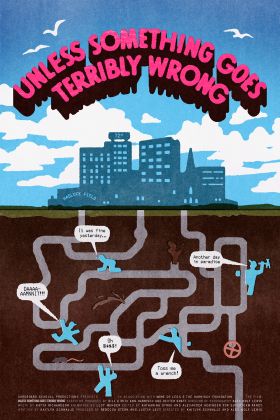

Portland Harbor is an integral piece of Casco Bay’s watershed and working waterfront. But beneath the surface sits a reminder of Maine’s early industrial era: layers of contaminated sediment left behind long before modern environmental protections existed. Before the Clean Water Act, waste from shoreline industries flowed straight into the Harbor, settling into the mud. Much of the area under Portland’s piers hasn’t been dredged in more than 70 years, and those sediments have piled up over time, reducing water depth, squeezing berthing space, and leaving legacy pollution buried on the seafloor.
This winter, the City of Portland and waterfront partners will begin a multi-season dredge to remove that long-accumulated material and restore safe, functional depths. The project also includes a carefully engineered Confined Aquatic Disposal (CAD) cell to safely contain the contaminated sediment. By clearing out polluted mud and improving harbor conditions, the dredge aims to support both the health of the marine environment and the future of Portland’s maritime economy.
To help answer common community questions, we’ve compiled an FAQ outlining what this project involves, how the material will be handled, and how Friends of Casco Bay is staying engaged throughout the process.
Portland Dredge Project FAQ
What’s happening in Portland Harbor this winter?
Portland Harbor will undergo a multi-season dredging project to restore water depths around many piers and wharves. Work begins in December 2025 and continues through March 2026. The project will remove decades of accumulated sediment and dispose of it safely at designated sites.
Why does the harbor need to be dredged?
Many piers in Portland Harbor haven’t been dredged in more than 70 years. In that time, sediment has steadily filled in the harbor, reducing water depth and limiting berthing space for our working waterfront. Dredging will restore needed depth, support marine industries, and improve long-term harbor function.
Does Friends of Casco Bay support this dredge project?
Yes. Friends of Casco Bay supports this project because it will remove contaminated sediment that predates the Clean Water Act, improving conditions for marine life on the harbor bottom.
We also worked with the Harbor Commission, waterfront owners, and lobstermen to help identify a disposal site with the least impact on important habitats, including lobster grounds and eelgrass beds. In addition, we requested permit terms that would limit sediment dispersal during the dredge.
What effect will the dredge have on the environment?
Dredging does disturb the seafloor and will harm some organisms that live in the sediment. For this project, we consulted with lobstermen and reviewed where clams and eelgrass are most abundant to help avoid sensitive areas.
Testing showed that sediment around the wharves contained many legacy contaminants. On balance, we believe removing these polluted materials—and urging the City to continue reducing stormwater and combined sewer overflows–is better for the long-term health of the harbor. We also recognize that maintaining Portland’s waterfront is an important part of the overall picture.
Where will the dredged material go?
The contaminated dredge material will be removed using a conventional clamshell bucket and transported to the Portland Harbor CAD cell near the Coast Guard Station in South Portland, located at 43.645820 degrees N, -70.251411 degrees.
Typically, 1–2 tug/scow trips per day will travel from the dredge areas to the CAD cell. Disposal at the offshore PDS is scheduled for March 8–15, 2026, with similar daily traffic.
What is a CAD cell?
A Confined Aquatic Disposal (CAD) cell is a deep hole dug into the harbor floor where contaminated sediments are deposited. As the cell fills, clean sediment naturally settles on top, creating a long-term cap. The Environmental Protection Agency considers CAD cells a safe, permanent solution for isolating contaminated sediments. They are widely used across the United States—Boston Harbor alone has 11—and internationally.
Is Friends of Casco Bay involved in the dredging project?
Friends of Casco Bay will be monitoring water quality in close proximity to the CAD cell for the duration of the dredge. The data will be analysed and shared with relevant partners.
How long will the dredging work continue?
Dredging will take place from December 2025 through March 2026. Dredging is expected to resume in future years, dates to be determined.
What do fishermen and boaters need to know about the dredge project?
Fishermen are advised to relocate gear to avoid gear interactions. Please refer to maps of the dredge routes and disposal routes. Vessels can monitor Channel VHF 16, and dredge operations will be on channel VHF 8.
Who should I contact if I have questions or concerns?
If you have questions, need clarification, or need to coordinate site access, please contact:
Deputy Harbor Master Hattie Train: DHM@PortlandHarbor.org; Office (Hrs 0900-1500): 207-772-8121; Cell: 207-807-7156
City of Portland Dredge Contact: Kaela Gonzalez, Kgonzalez@portlandmaine.gov, Office (Hrs 0730-1530) 207-756-8233; Cell: 207-712-6495
More questions?
For more information about the dredge, go to the Portland Harbor webpage.