WATER REPORTER MENU
Key Water Reporter Issues
Salt Marsh
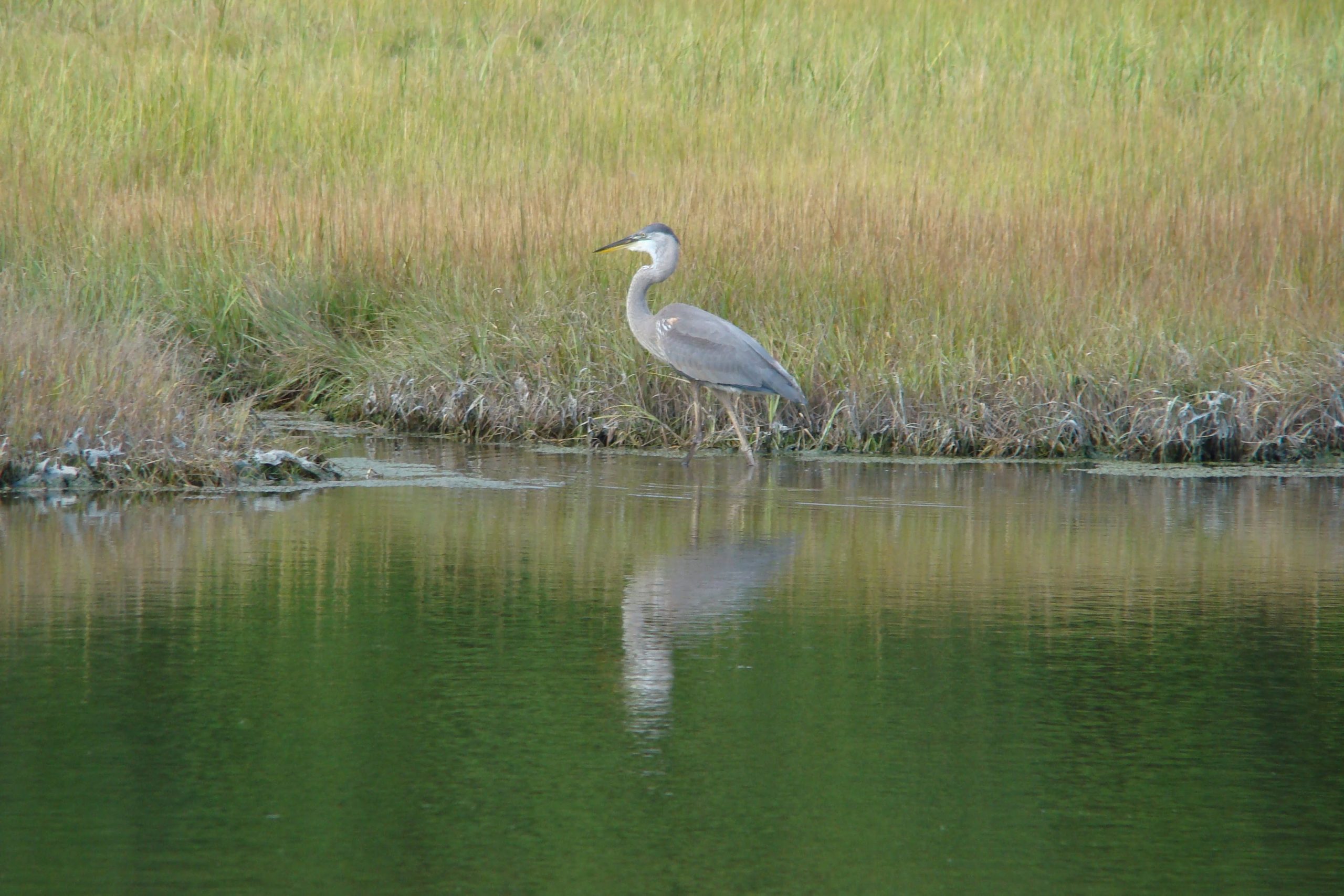
Salt marsh grasses play a vital role in coastal ecosystems.
- Provides habitat for fish, crabs, birds, and other wildlife.
- Reduces shoreline erosion by trapping and accumulating sediment.
- Buffers storm surge and filters runoff, improving water quality.
Tracking salt marshes gives us insight into how sea level rise, erosion, and storms impact these vital ecosytems.
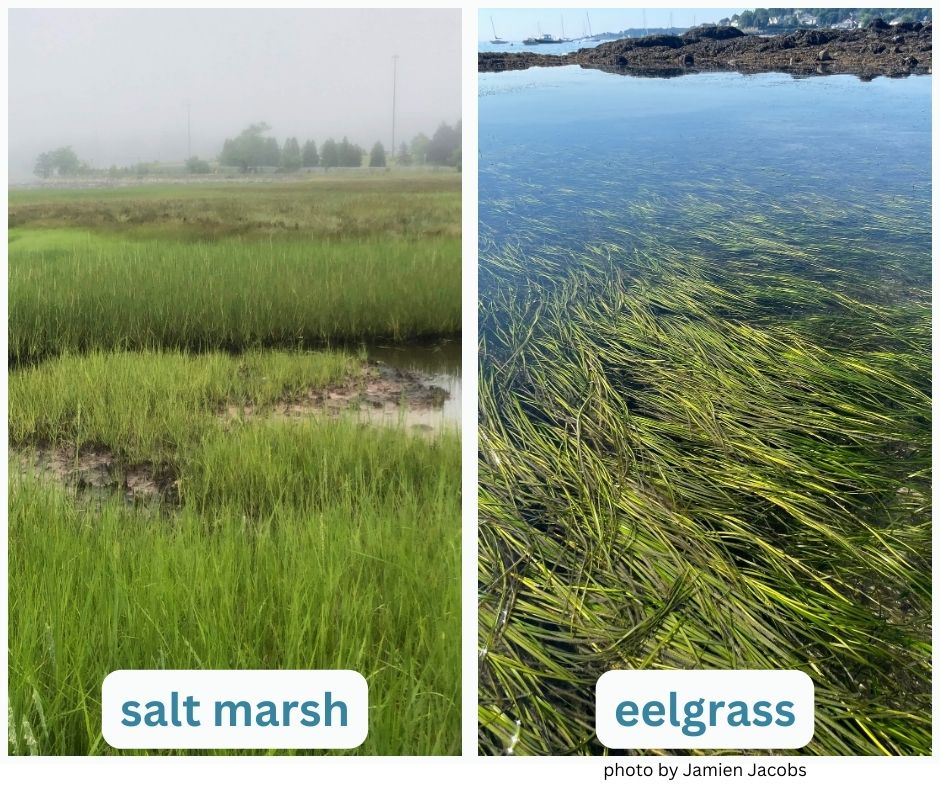
How to Identify Salt Marsh Grass vs. Eelgrass
Salt Marsh Grass vs. Eelgrass
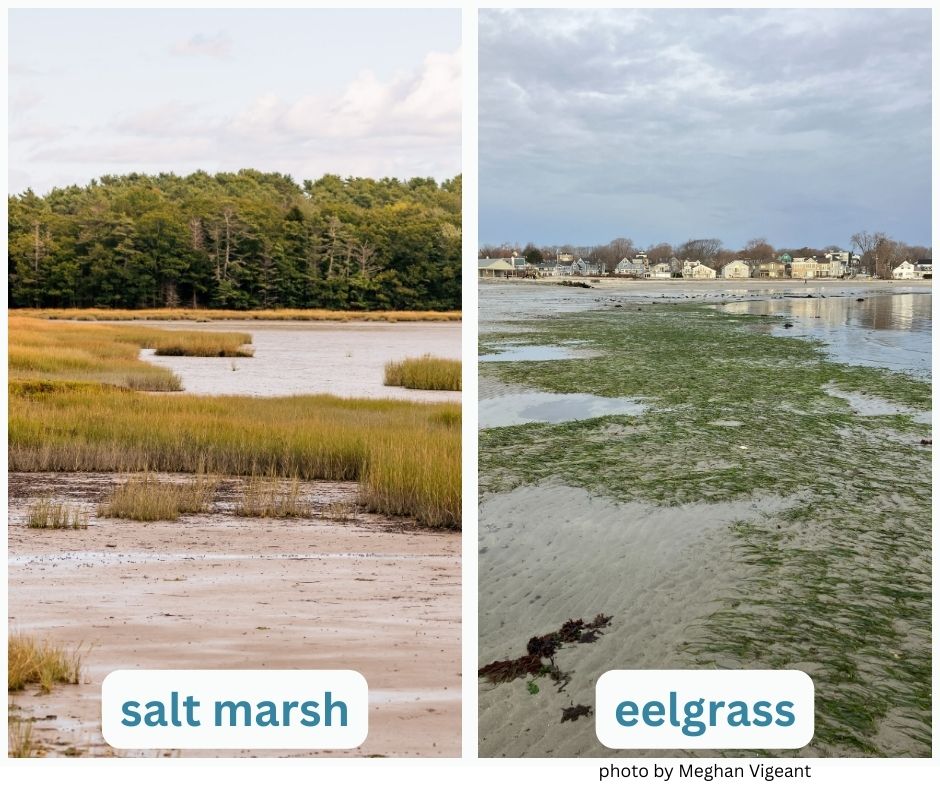
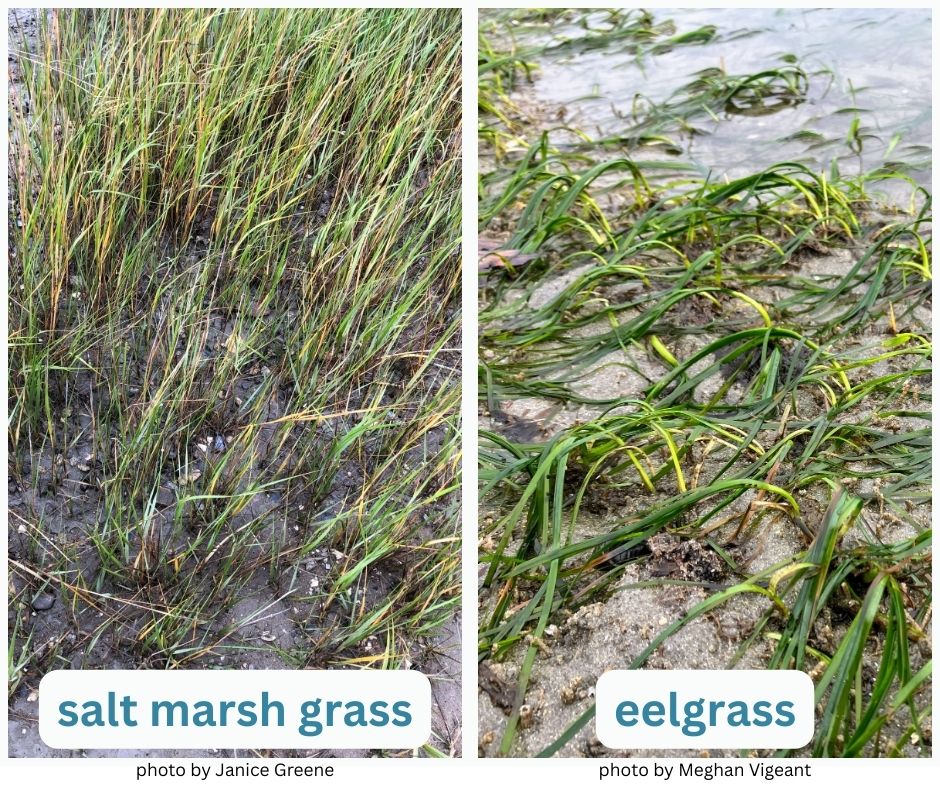
- Salt marsh grass stands upright and is mostly dry, growing from mud or soil at the water’s edge. It is exposed during most tides, but is sometimes submerged during high tides.
Eelgrass grows underwater and is usually submerged. During extra low tides, you can see eelgrass lying flat like limp noodles.
Salt marshes resemble grassy fields and can stretch inland; eelgrass grows in shallow underwater areas of bays and inlets.
Think of salt marsh grass like uncooked spaghetti—stiff and upright. Eelgrass, on the other hand, is more like cooked linguine—soft, flat, and flowing.
Tap or click any image to open the full gallery.
How to Document Salt Marshes
Choose a location to monitor regularly- Visit during a lower tide to ensure the salt marsh is fully visible
- Take a wide shot with a landmark for consistency. This allows us to track how the salt marsh is changing over time.
- Post to Water Reporter
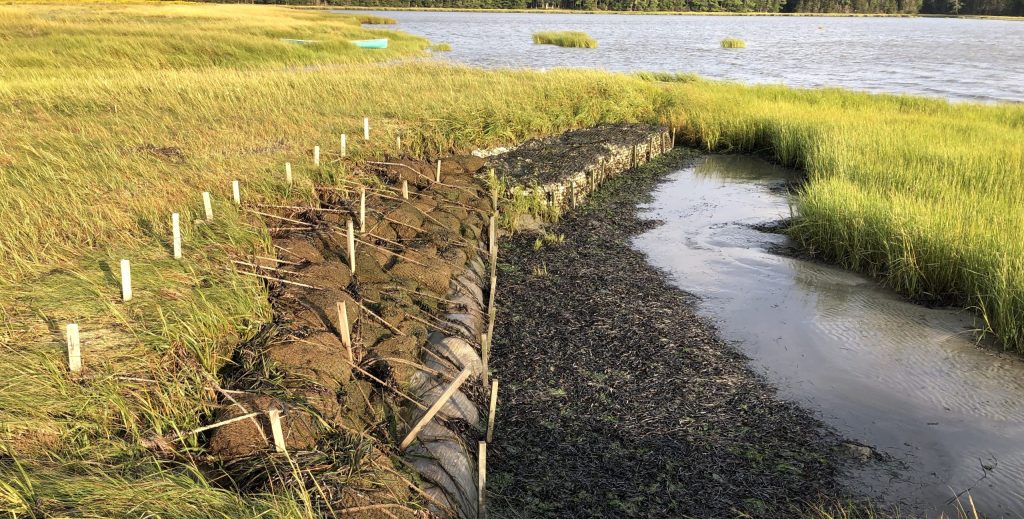
Learn More About Salt Marshes
Learn the difference between algae and other coastal plants.
Choose a location to monitor regularly