
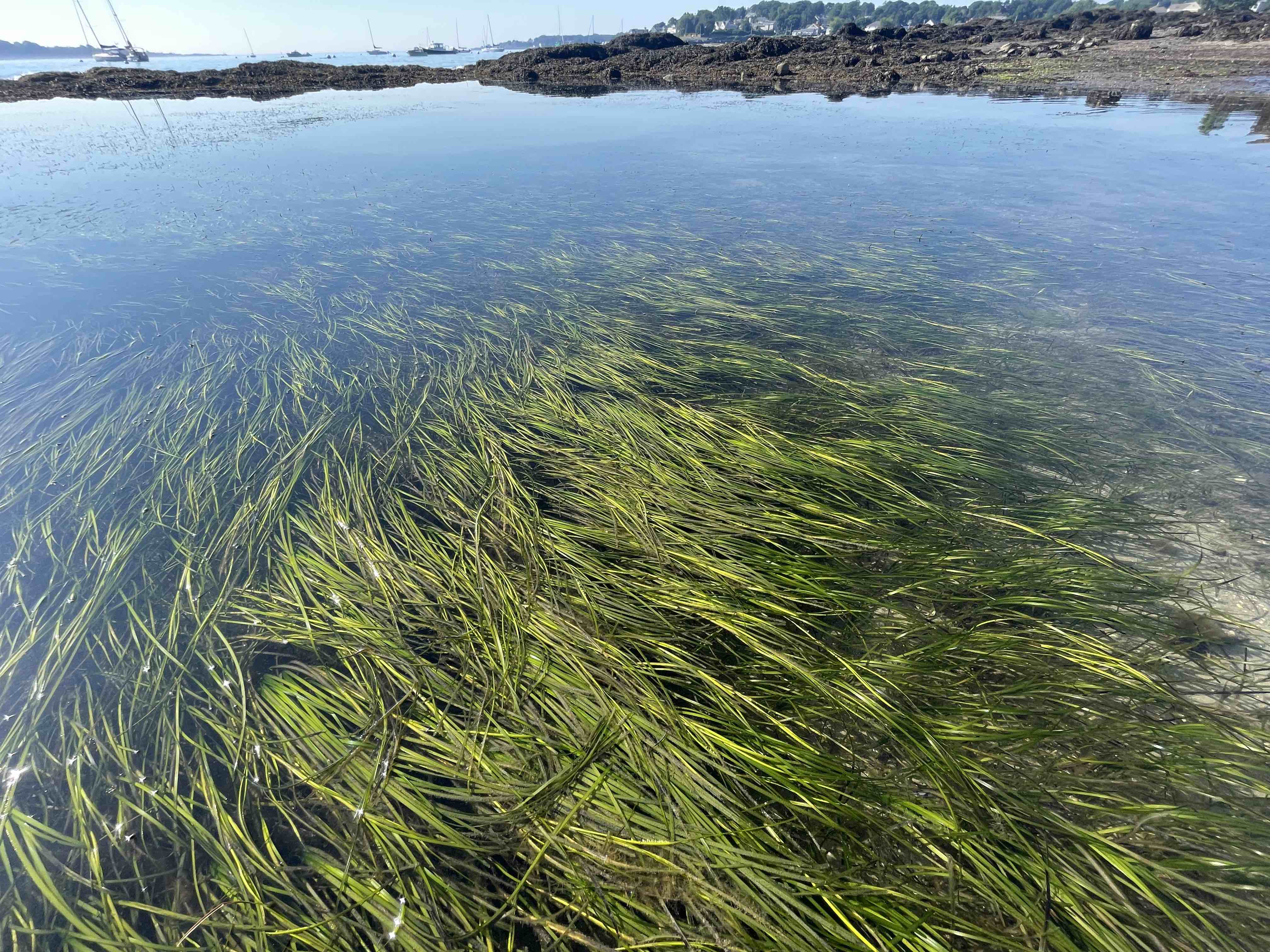
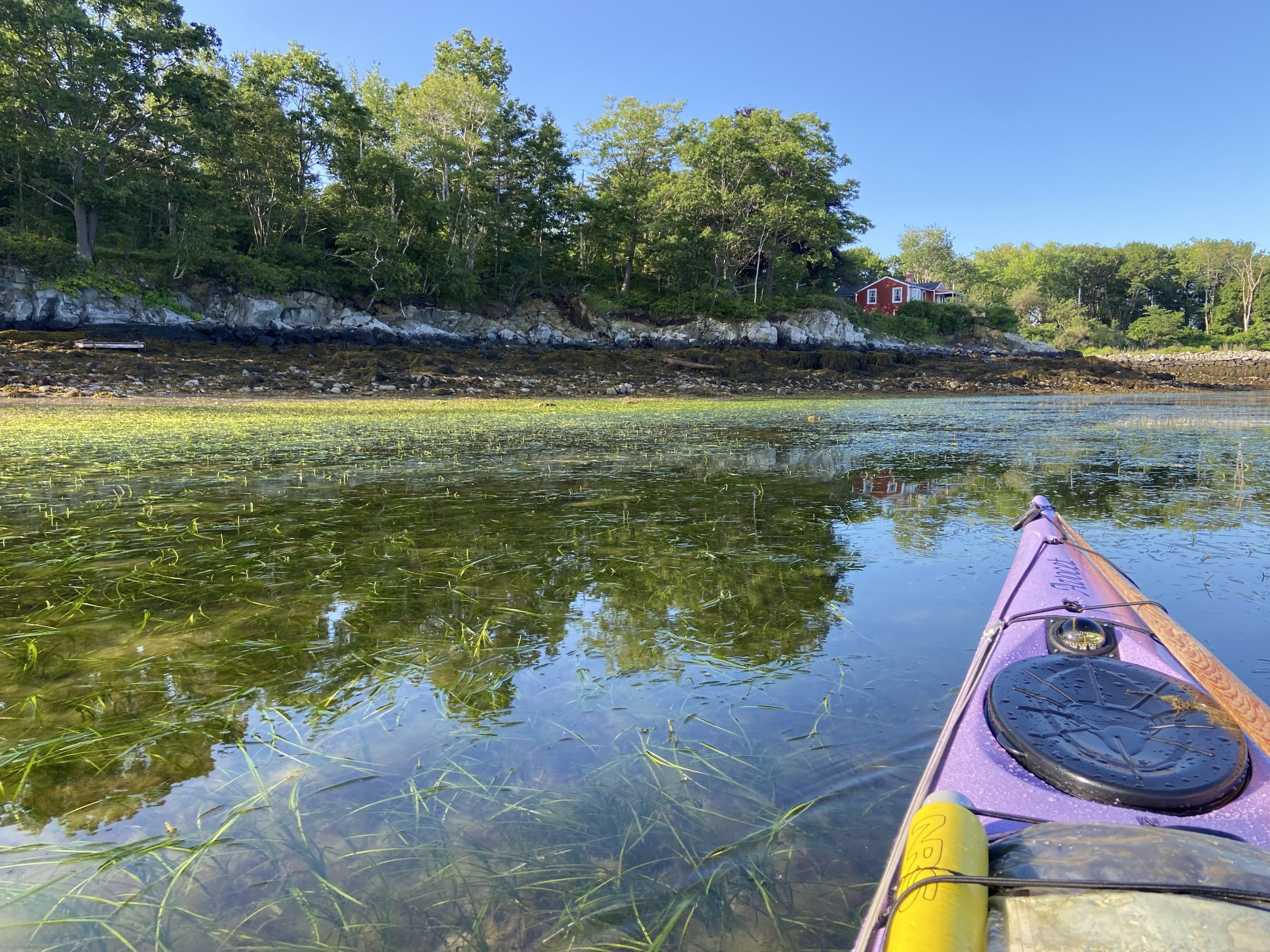
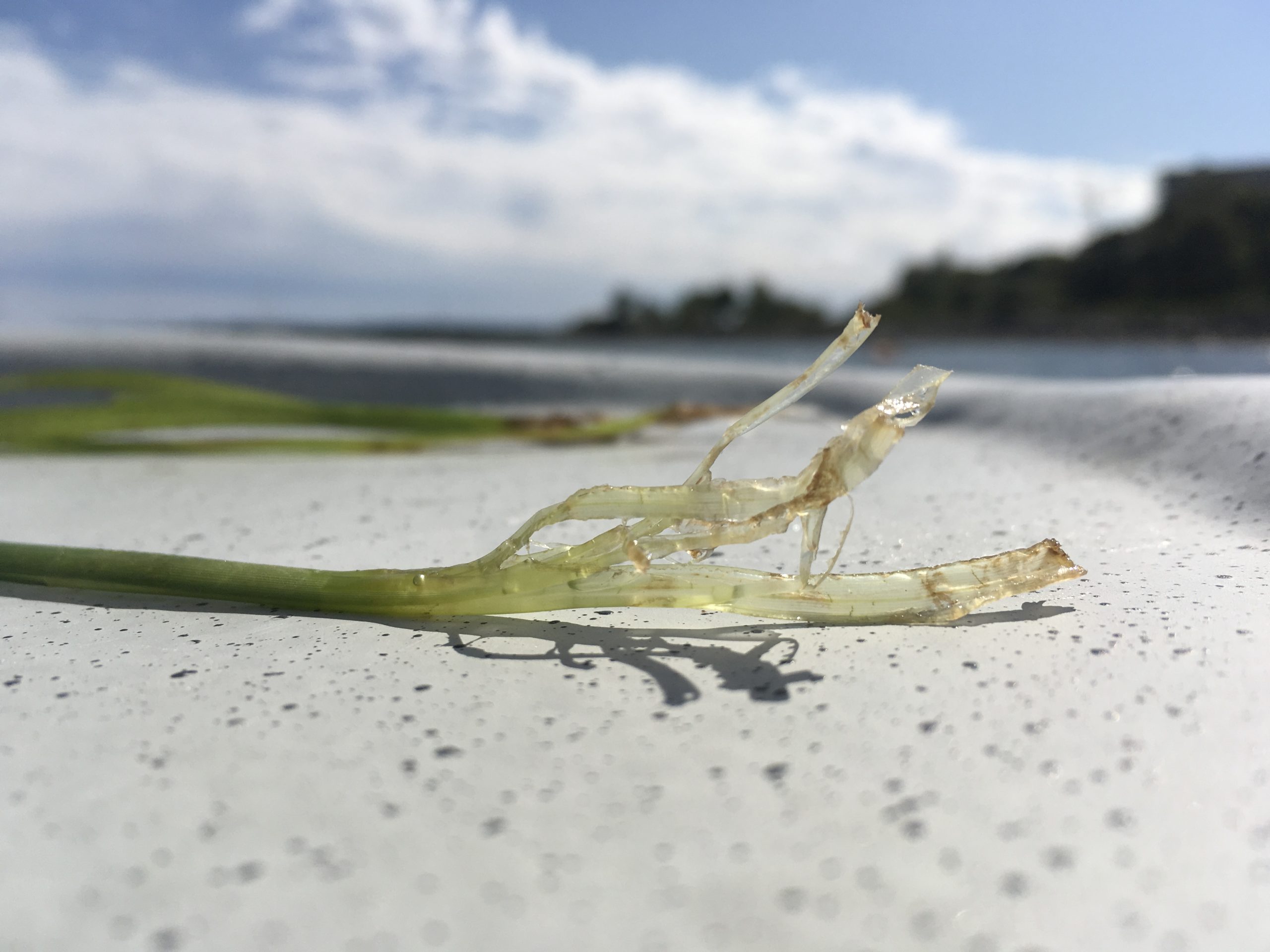
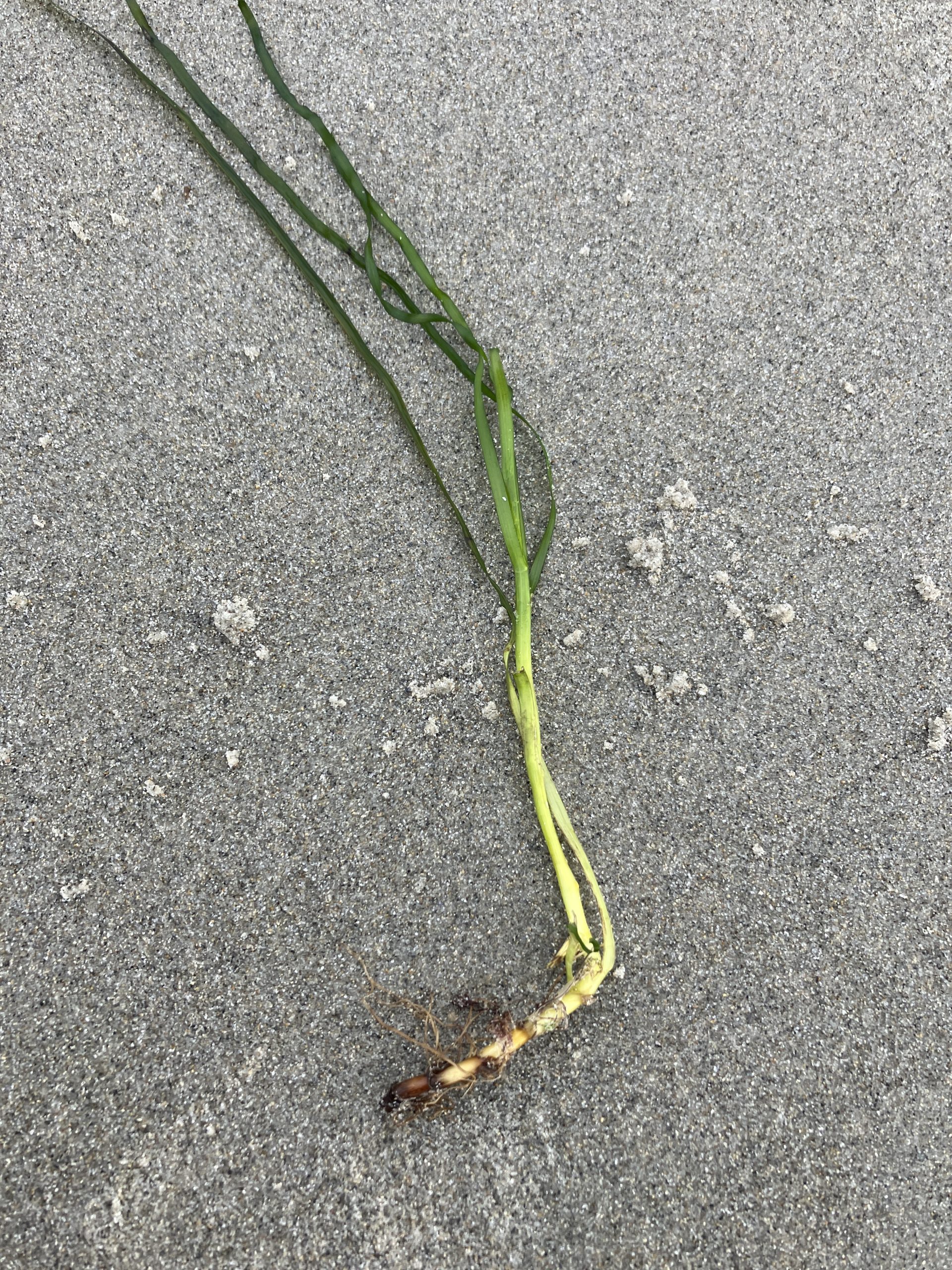
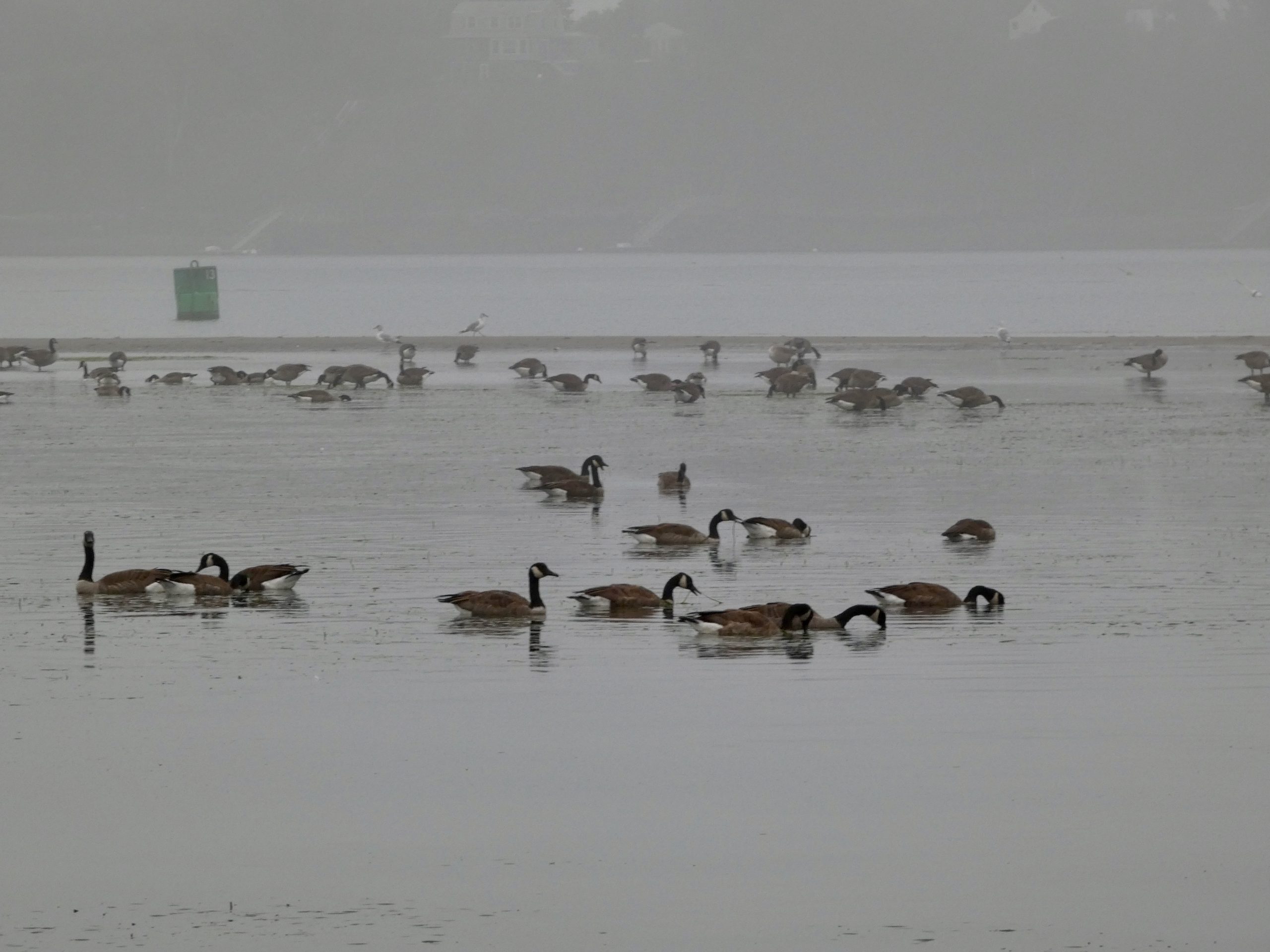
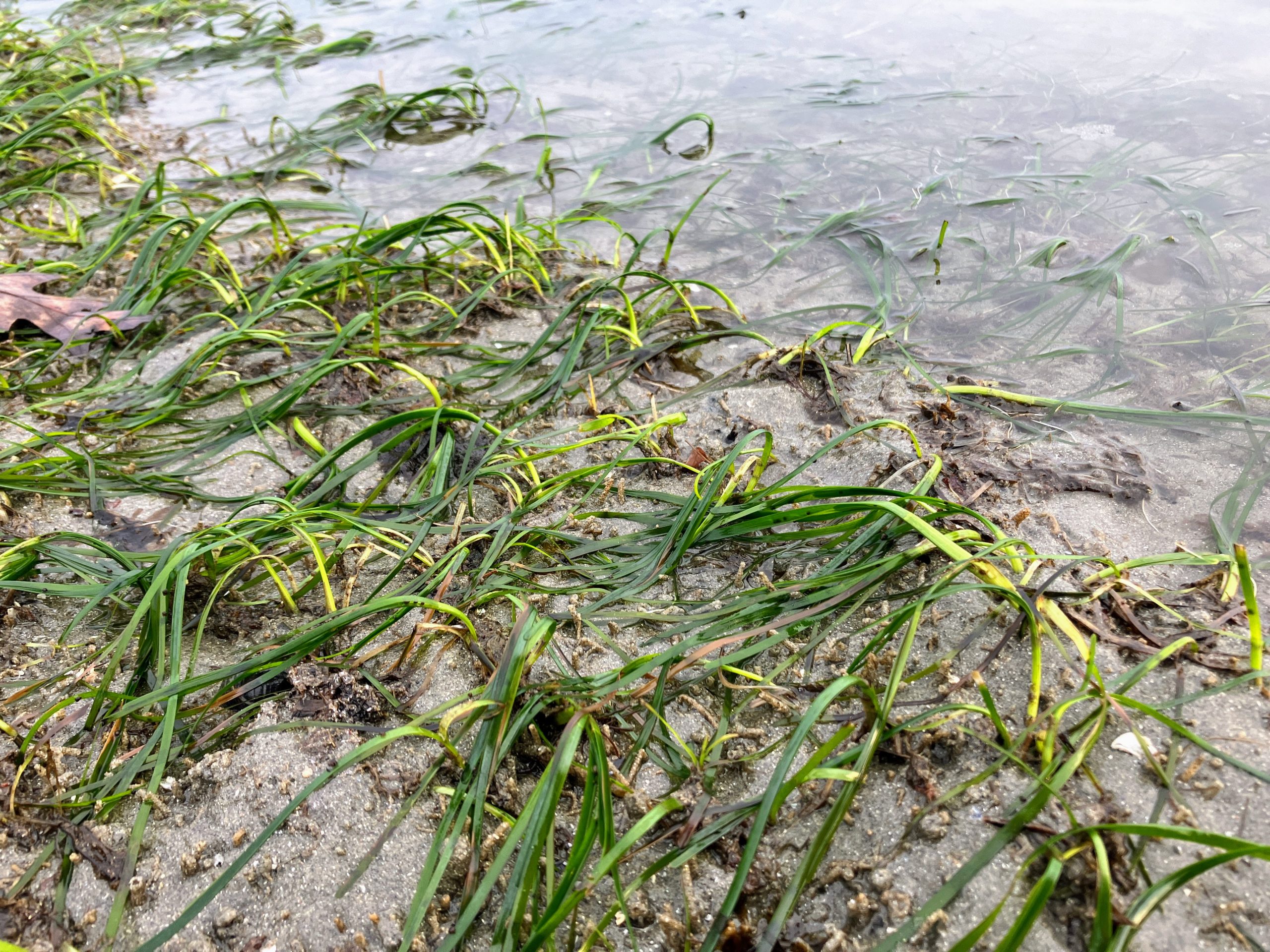
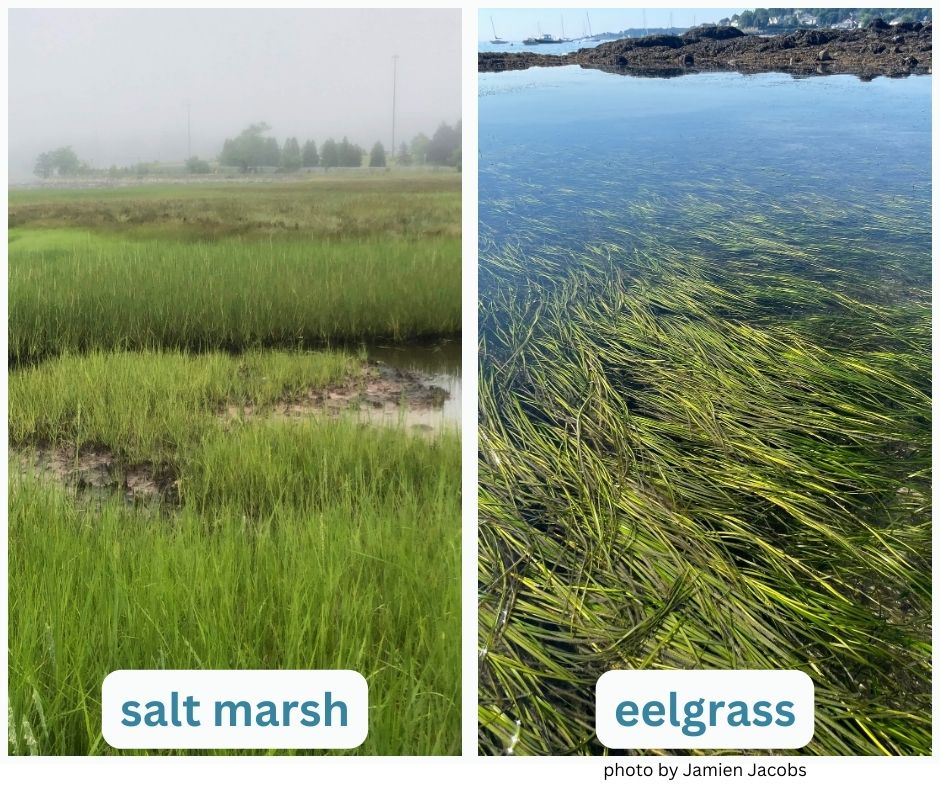
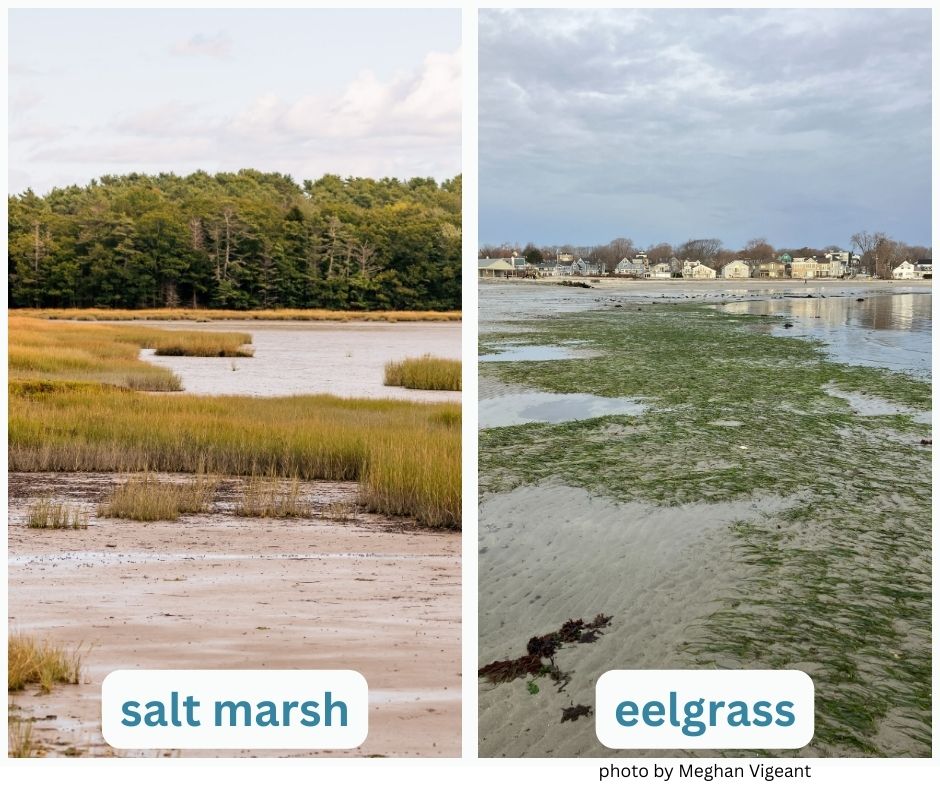
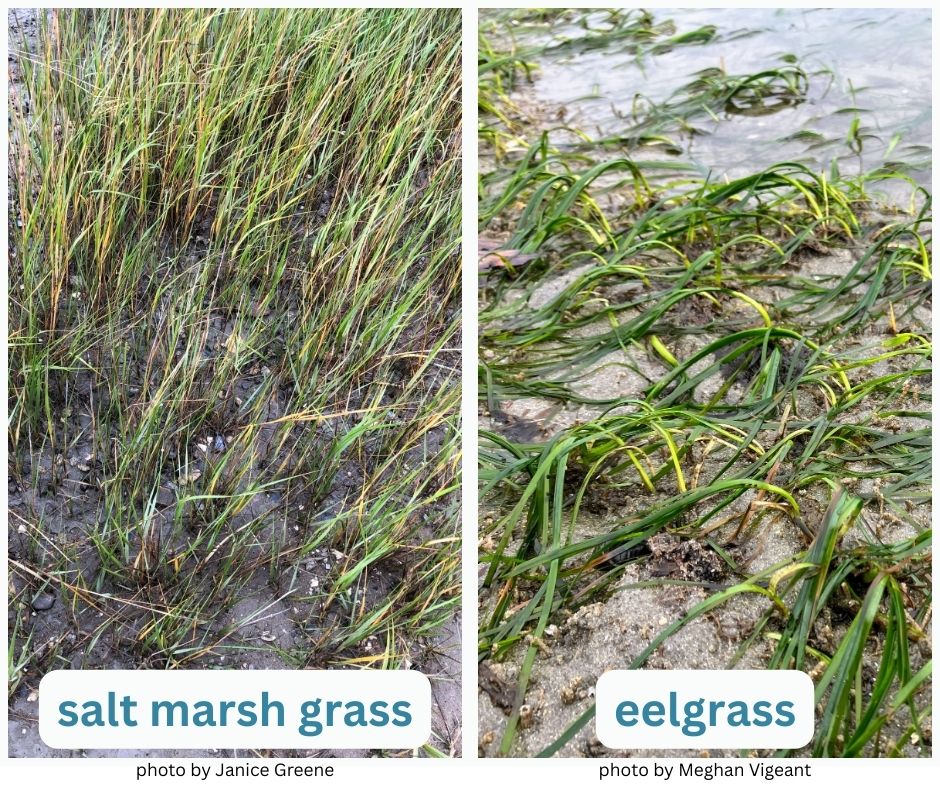
Eelgrass is a flowering underwater marine plant that provides critical habitat, stores carbon, and helps keep our water clean. Water Reporters can help by sharing photos of healthy eelgrass beds, patchy areas, or large amounts of eelgrass washed ashore. Extreme low tides are an ideal time to spot and document eelgrass around the Bay.
 Eelgrass is a critical coastal habitat that supports fish, lobster, and shellfish, protects shorelines from erosion, and helps buffer climate change by capturing carbon and reducing ocean acidification.
But eelgrass is in danger. It is disappearing fast. From 2018 to 2022, Casco Bay lost 54% of its eelgrass, and the decline continues.
Friends of Casco Bay is part of a collaborative pilot project to study and restore eelgrass. Water Reporters are helping us document where eelgrass is thriving, thinning, or washing ashore—giving us valuable clues about what’s driving this decline.


- Stop or minimize the use of fertilizers on your lawn or garden.
- Tread carefully in eelgrass areas while boating, working, swimming, or wading in the water.
- Help us track eelgrass as a Water Reporter!
- Advocate for clean water.
2025 Seagrass Snapshot
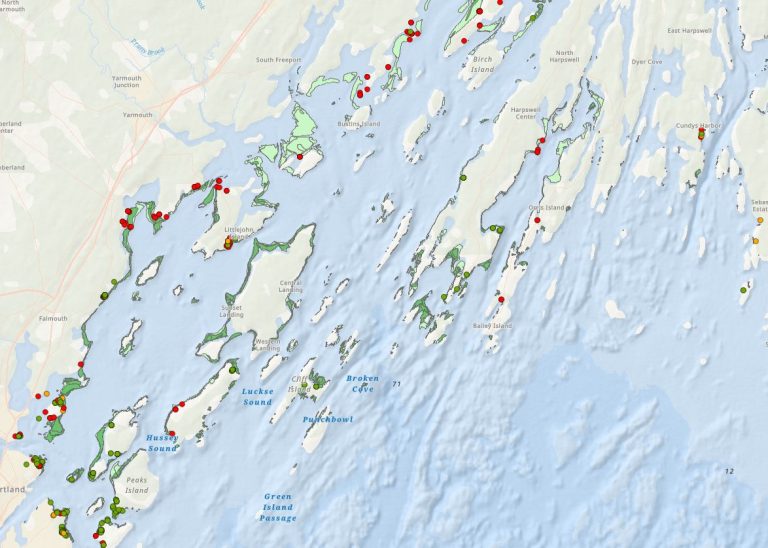
Water Reporters explored mudflats and shallow waters during extremely low tides to document where eelgrass thrives, and where it is missing in Casco Bay for the 2025 Seagrass Snapshot.

The Superheroes of Casco Bay: Eelgrass Meadows: A Vital Ecosystem in Peril
These superheroes of the ocean have been quietly keeping our oceans healthy, our fisheries abundant, and our coastlines intact – yet eelgrass meadows are disappearing at an alarming rate.

A Friend to Eelgrass: A Water Reporter Helps Look After a Vital Ecosystem in Peril
Casco Bay’s eelgrass is in peril. Susan Woodman began photographing the eelgrass meadows at Willard Beach about a year ago as a volunteer Water Reporter for Friends of Casco Bay.

Coffee with the Casco Baykeeper: Eelgrass
Casco Baykeeper Ivy Frignoca shares her concern about eelgrass disappearing from Casco Bay and what Friends of Casco Bay is doing about it.